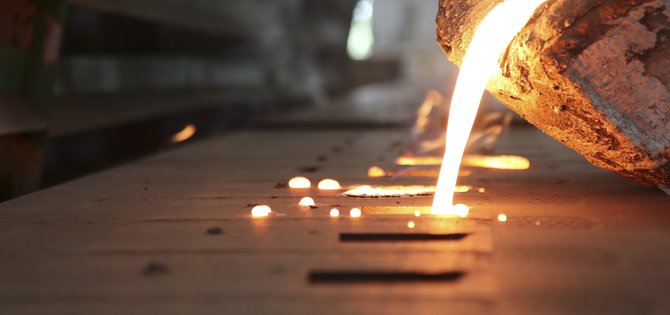
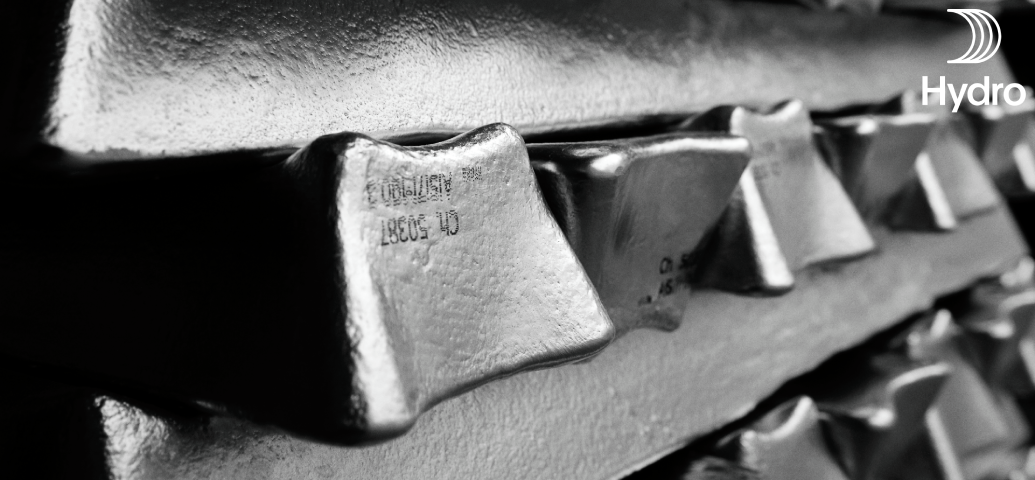
Hydro CIRCAL is the flagship among recycled aluminium products and was developed to help you achieve your sustainability goals without compromising on quality or performance. Using advanced and patented sorting technology, Hydro melts scrap into vehicle parts, designer furniture, consumer electronics and building facades.
Aluminium is a recyclable material that can be recycled indefinitely without any loss of quality. In fact, around 75% of all aluminium ever produced is still in use today. Whether it's old windows, wheels or beverage cans, recycling aluminium requires only 5% of the energy needed to produce primary aluminium.
Since its introduction in 2019, Hydro CIRCAL has set the standard for recycled aluminium, offering a minimum of 75% post-consumer scrap (PCS) verified by the independent testing agency DNV. This high recycling content is made possible by Hydro's advanced sourcing, sorting and traceability technologies. The higher the proportion of post-consumer scrap recycled, the lower the carbon footprint.
Hydro CIRCAL's production and raw materials can be traced at an individual batch level with a verification statement from the independent auditor DNV.
This is a unique advantage for customers seeking reliable information about the origin of raw materials, as it provides unmatched traceability and insight into the actual materials used, down to the specific molecules in your product. This level of transparency supports more credible sustainability reporting and decision-making.
Hydro CIRCAL offers a carbon footprint of only 1.9 kg CO2/kg aluminium, depending on the product type, confirmed by an independent Environmental Product Declaration (EPD). The EPD represents an average value based on at least two years of production data.
Hydro CIRCAL is available in two product types, extrusion billets and casting alloys, enabling low-carbon aluminium solutions for a wider range of industries.
Key features of Hydro CIRCAL
- At least 75% post-consumer scrap (PCS): Verified by DNV to ensure a high proportion of recycled content from end-of-life aluminium products.
- Traceability: Full traceability at batch level with third-party verification.
- Low carbon footprint
- Extrusion billets: 1.9 kg CO₂e/kg aluminium (verified by an EPD)
- Foundry alloys: EPD under development; expected to reflect a low carbon footprint
- Manufactured in an ASI-certified plant
Hydro CIRCAL extrusion ingots
- Typical end uses: Automotive and transport, building systems, facades and other architectural applications.
Hydro CIRCAL foundry alloys
Developed for automotive components such as wheels, battery boxes, structural castings and engine parts.
Certified production
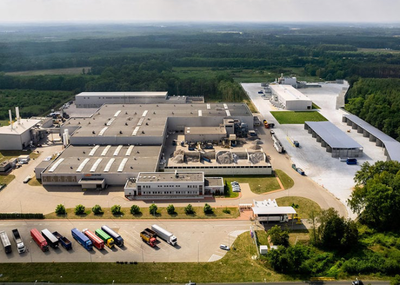
Hydro CIRCAL is produced in plants certified by the Aluminium Stewardship Initiative (ASI), which ensures responsible and sustainable production. The plant in Nowa Sól, Poland, which joined Hydro in 2023 and now produces Hydro CIRCAL casting alloys, is not yet ASI certified but is on track to become so by the end of 2026.
Hydro CIRCAL extruded billets with 100% post-consumer scrap
Hydro CIRCAL extruded billets are also available in limited quantities with 100% post-consumer scrap.
This product has a carbon footprint of less than 0.5 kg CO2 per kg of aluminium, which is 33 times lower than the global average. The production of Hydro CIRCAL 100R is both complicated and time-consuming and is therefore currently only available in small batches on request.
Download our brochure
Why use recycled aluminium?
Using recycled aluminium in the production process means that less heat (and therefore energy) is generated. This energy usually contributes to CO2 emissions in the atmosphere. Reducing the energy required to produce the material therefore reduces its environmental footprint.
The recycled content in Hydro CIRCAL refers exclusively to aluminium that has reached the end of its useful life as a product and is returned to the cycle through recycling. This can be aluminium from demolition projects, food and beverage containers or even cars, for example.