
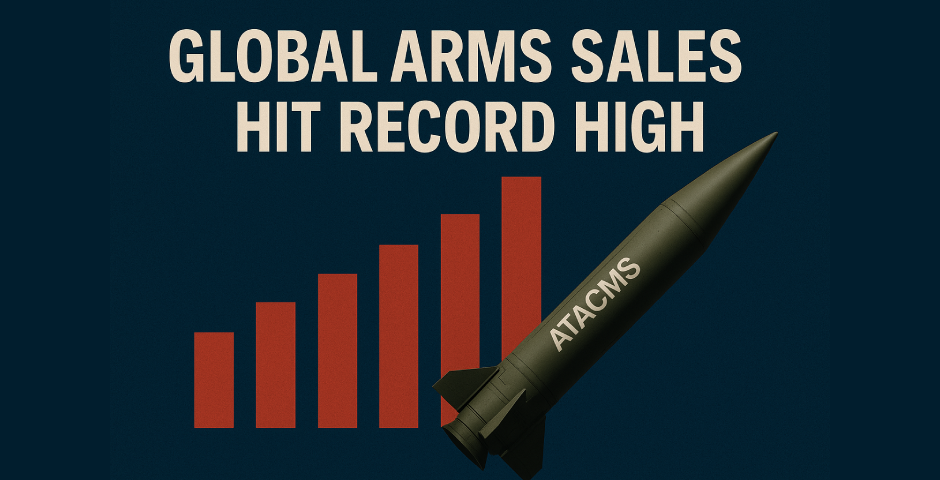
Sipri attributes the growth mainly to the wars in Ukraine and Gaza, rising geopolitical tensions, and increased military spending worldwide. Many companies expanded production lines, built new facilities, or acquired other firms to meet demand.
Europe sees strong growth – especially Germany
European arms revenues increased by 13 percent to $151 billion. German manufacturers recorded particularly strong growth: the four German firms listed by Sipri – Rheinmetall, Thyssenkrupp, Hensoldt, and Diehl – boosted their combined revenue by 36 percent to $14.9 billion, driven by heightened perceived threats from Russia.
Israel’s three largest defense companies also reported significant gains. International criticism of Israel’s military operations in Gaza had “little impact” on global demand for Israeli weapons, Sipri noted.
US companies remain dominant
The United States continues to lead the global market, with 39 companies among the top 100. They generated a combined $334 billion, nearly half of worldwide arms sales, marking a 3.8 percent increase from 2023.
Russia grows despite sanctions
Russia’s two listed defense firms, Rostec and the United Shipbuilding Corporation, grew their revenues by 23 percent to $31.2 billion. Sipri said reduced exports were more than offset by rising domestic demand.
Decline in Asia
Arms sales in Asia and Oceania fell by 1.2 percent, driven almost entirely by a 10 percent drop among China’s eight largest defense companies.
Source: DIE ZEIT, AFP and Reuters